Helmet Visor Types: Pinlock & Anti-Fog Complete Guide 2025
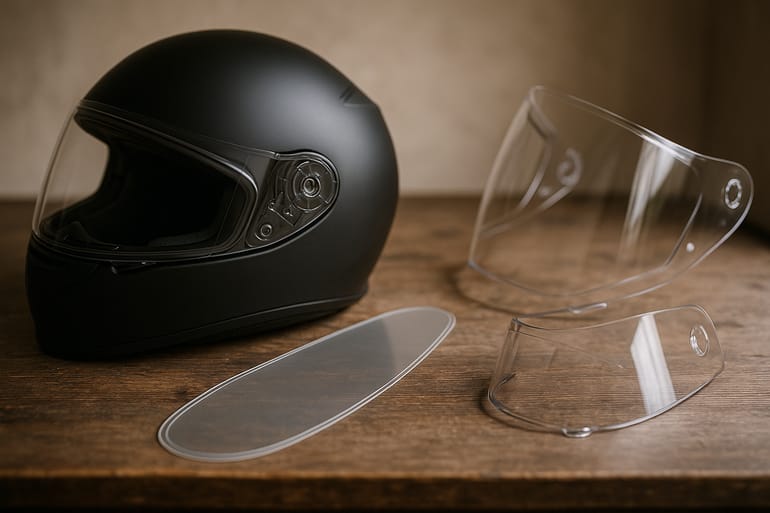
Clear vision starts here: what matters and why
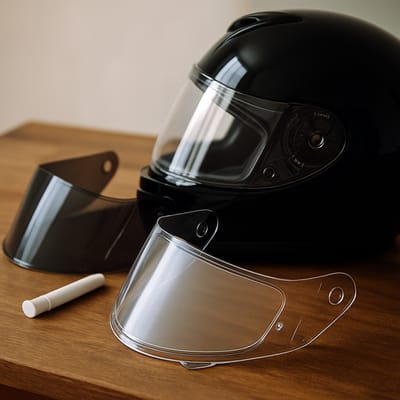
Choosing the right helmet visor types and anti-fog solutions can transform your ride. The goal is simple: a wide, distortion‑free view that stays clear in rain, cold, and traffic stops. This guide breaks down common visors, Pinlock inserts, coatings, and care so you can match features to your needs.
What you’ll learn
- Which visor tints suit day, night, and mixed weather
- How anti‑fog systems work (inserts, coatings, ventilation)
- ECE visibility basics and legal tint limits
- Practical cleaning and maintenance for long‑lasting clarity
Why fog happens
When warm, humid breath meets a cool surface, tiny droplets scatter light. Solutions reduce moisture on the inner surface or isolate temperature changes. You’ll see three levers at play: a moisture‑absorbing inner layer, an insulating air gap, and steady airflow.
Picking a direction
If you commute early and ride home after dusk, a clear visor plus an internal sun shade or sunglasses is the most versatile setup. For bright daytime touring, a light‑to‑medium smoke can cut glare while preserving detail. Cold‑weather riders benefit most from a Pinlock insert or a dual‑pane shield, paired with a breath guard and good venting. Whatever you choose, aim for optical class 1 clarity, UV protection, and parts that are easy to clean, replace, and adjust.
Visor types and anti-fog solutions compared
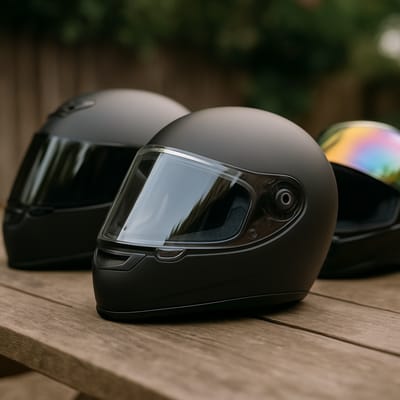
Common visor types
- Clear: Maximum light transmission; legal day and night. Best all‑rounder.
- Light/medium smoke: Cuts glare; daytime only in many regions. Keep a clear backup for night.
- Dark smoke: Strong sun protection; typically day‑use only.
- Photochromic: Tints with UV exposure; convenient but may change slowly in cold.
- Mirror/iridium: Reflective style, daytime only in most areas; check local rules.
- Dual‑pane (winter): Inner and outer layers create an insulating gap to resist fog.
Anti‑fog technologies
- Pinlock insert: A removable inner lens with a hydrophilic surface and a sealed air gap. It dramatically reduces condensation on the viewing area.
- Factory anti‑fog coating: Micro‑thin treatment on the inner surface; effective but can wear off if scrubbed.
- Ventilation and breath management: Cracked‑open city position, chin vents, and a breath deflector keep moist air away from the lens.
What to choose
For daily commuting across seasons, a clear visor plus a Pinlock insert is the most reliable anti‑fog combo. Sunny‑only riders can add light smoke or photochromic convenience. Winter riders should combine a dual‑pane or insert with a snug neck roll and steady airflow. Prioritize: optical quality, wide field of view, easy detents, and compatibility with your helmet’s mounting system.
Cleaning and care: keep your visor clear longer
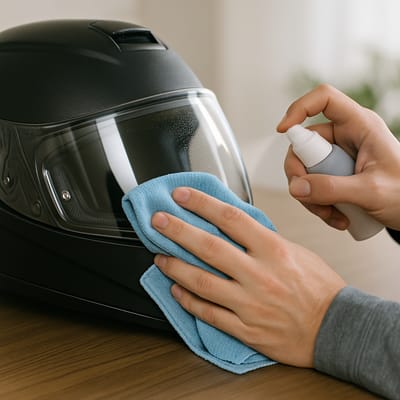
A clean visor resists fog better and preserves optical quality. Follow these steps to protect coatings and seals.
Step-by-step
- Remove the visor if possible. Rinse with lukewarm water to soften grit and bugs.
- Lay a wet microfiber or soft paper towel on the outside for 3–5 minutes; let debris loosen.
- Use mild, non‑abrasive soap. Gently wipe—no scrubbing. Rinse thoroughly.
- Pat dry with a clean microfiber. Avoid circular rubbing that can create micro‑swirls.
- For the inside: if you have a Pinlock insert or factory anti-fog coating, use only water and a soft cloth. Do not rub dry.
- Inspect the perimeter seal of the insert; reseat evenly and adjust pin tension if needed.
- Finish with a light anti‑fog spray on untreated visors only; reapply as directed.
Do / Don’t
- Do store your visor in a soft pouch, away from heat and solvents.
- Do replace when scratches, haze, or crazing appear in your line of sight.
- Don’t use glass cleaners, alcohol, or ammonia—they degrade coatings.
- Don’t wipe dry dust; always pre‑soak.
Regular, gentle care preserves optical clarity, reduces nighttime glare, and keeps anti‑fog treatments working at their best.
Safety standards, legality, and compatibility tips
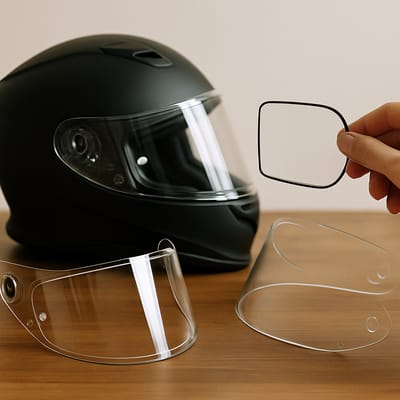
What standards cover visors?
Modern helmet standards include visor requirements for optical quality, light transmission, impact, and scratch resistance. Clear visors typically must pass high light‑transmission thresholds suitable for day and night. Dark and mirror tints are often restricted to daytime; always check local regulations before riding at night.
What to look for
- Optical class 1 (minimal distortion) for long‑ride comfort
- UV protection to reduce eye strain and lens aging
- Sturdy detents and an effective city‑crack position for anti-fog airflow
- Stable seal across the top edge to keep rain from creeping in
Non‑brand helmet compatibility
For unbranded helmets, confirm fit by:
- Matching the visor’s mounting hole shape and pivot spacing.
- Checking curvature/height to avoid edge lift and distortion.
- Ensuring your helmet accepts an insert (pins present) or selecting a dual‑pane option.
- Verifying quick‑release type (if used) and gasket contact.
When in doubt, measure your existing shield (width, height, hole center‑to‑center) and compare with the replacement’s spec. Avoid aftermarket stickers or reflective films that can compromise certification or visibility. If you ride across day and night, carry a clear spare or use a photochromic solution. The right match delivers clear vision, legal compliance, and dependable fog control.
Debug Information (Development Only)
Debug Information
Article: Visor Types Explained: Pinlock Options and Anti‑Fog Tech
Decision Metadata
- Decision UUID: 8955c099-33a4-4c9e-9b5f-5bb615068678
- Timestamp: 2025-12-08T10:56:23.798308
- Confidence: 0.74
- Opportunity Score: 0.0
Content Strategy
- Content Gap: Gap in Helmet Types & Features coverage
- Themes:
- Commercial Level: N/A
Cluster Information
- Cluster IDs: 8fb8338cea7a4e924aed6f76f8009b82
- Cluster Names: Helmet Visor Safety
Generation
- Model: N/A
- Generated At: N/A