Integral Helmet vs Racing Helmet: Buyer’s Guide 2025
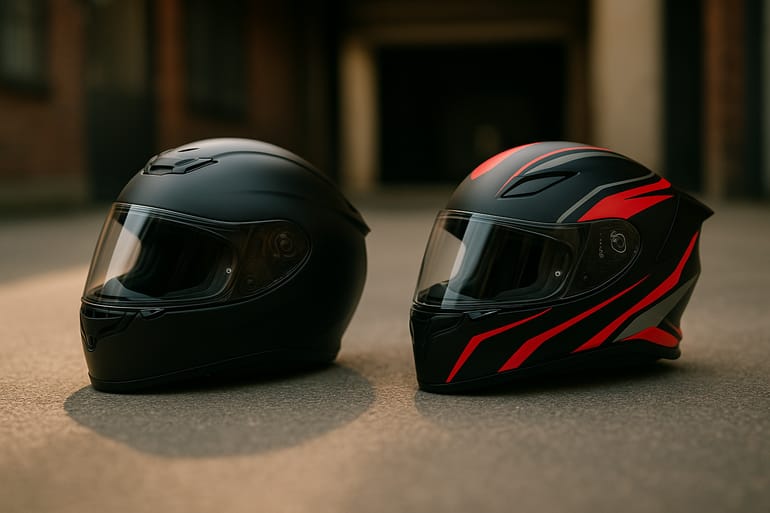
Integral vs racing: what really sets them apart

Choosing between an integral helmet and a racing helmet starts with how you ride. The phrase “integral helmet vs racing helmet” often confuses riders because both are full‑face designs. The difference is focus: an everyday integral helmet balances safety, comfort, and low noise, while a racing helmet prioritizes aerodynamics, stability at speed, and secure retention systems for the track.
Core differences at a glance
- Use case: Street versatility vs. track performance
- Shell shape: Neutral touring shapes vs. aggressive, tuck‑optimized profiles
- Ventilation: Comfort‑tuned vs. high‑flow track cooling
- Noise: Quieter sealing vs. louder but more vented
- Visor: Road features (Pinlock, sun-ready) vs. tear‑off readiness and strong locks
Both helmet types can meet modern standards like ECE 22.06. A racing helmet may feel firmer, with snug cheek pads and double D‑ring closures favored on circuits, while an integral helmet often adds convenience features for commuting and touring.
If you ride mostly on the road with occasional spirited weekends, a well‑specced integral helmet delivers the best balance. If you run frequent track days or spend long stretches at high speed, a racing helmet’s stability and locking features pay off. In short, match the shell’s intent to your real‑world kilometers.
Safety first: construction, EPS and ECE 22.06
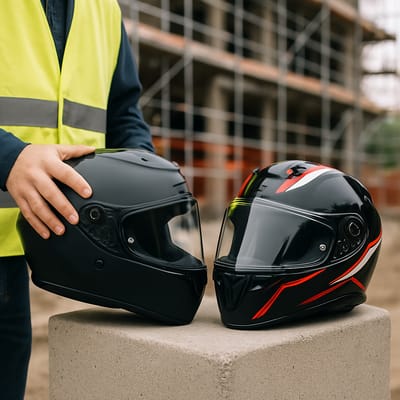
Safety is non‑negotiable, whether you choose an integral helmet or a racing helmet. Look for the current ECE 22.06 label (it replaces ECE 22.05). This standard adds more impact points, higher‑speed tests, and assessments with accessories like visors and intercom mounts.
What protects you
- Outer shell spreads impact energy across the surface
- Multi‑density EPS manages different crash speeds
- Chin bar rigidity preserves facial protection in frontal hits
- Visor lock & robust hinge prevent accidental opening
- Emergency release cheek pads aid safe helmet removal
Retention matters: double D‑ring closures are simple, secure, and favored for performance use, while quality micrometric systems suit daily riding. Both can be safe if certified correctly.
For the street, prioritize a helmet that fits perfectly and carries ECE 22.06. For track‑leaning riders, seek extra features like stronger visor locks, reinforced shells, and emergency releases. Remember, the safest helmet is the one that fits you properly, stays stable at speed, and keeps the visor sealed when you need it most.
Aerodynamics, stability and noise control
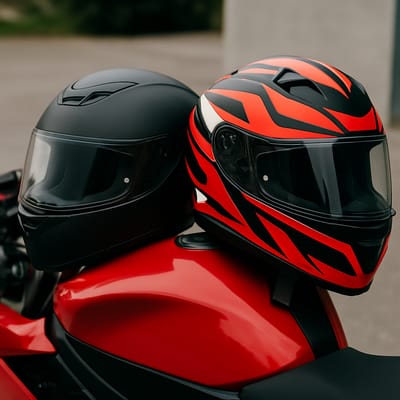
High‑speed stability separates an integral helmet from a racing helmet. Racing lids use aggressive spoilers, sharper tails, and tuck‑optimized profiles to cut lift and reduce buffeting. That design improves neck comfort above highway speeds but can flow more air—and noise—through large vents.
What to look for
- Wind‑tunnel shaping for reduced lift and yaw
- Sealed visor and chin curtain to limit turbulence noise
- Adjustable vents to balance cooling vs. sound
- Tear‑off ready visors if you ride on track
If you ride upright on a naked or ADV bike, choose a neutral‑profile integral helmet with good sealing to keep things quiet. For sportbikes and track days, a racing helmet’s stability in a tucked position shines, especially during head checks at speed. Pair it with a quality neck roll and snug fit to prevent whistling.
Noise isn’t just comfort—it’s fatigue. A quieter integral helmet can help you ride longer with better focus. Earplugs remain smart on any long trip. Aim for a balance: the aerodynamics you need for your posture and speed, with ventilation you can fine‑tune for the day’s weather.
Weight and materials: comfort over long rides
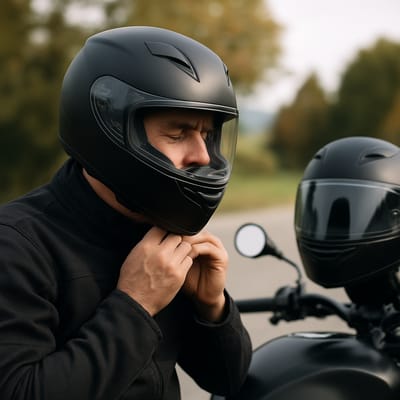
Weight influences fatigue more than you think. In general, an integral helmet designed for daily use may weigh slightly more due to comfort liners, integrated sun visors, or communication‑friendly features. A racing helmet often targets lower weight and higher rigidity for performance and stability.
Common shell materials
- Polycarbonate: affordable, slightly heavier, durable
- Fiberglass composite: strong with balanced weight
- Carbon composite: lightest feel, premium price
Expect typical full‑face weights around 1,400–1,800 g depending on size, features, and ECE 22.06 reinforcements. Lighter isn’t automatically better—fit and balance matter. A well‑balanced 1,600 g helmet can feel lighter than a poorly balanced 1,450 g shell.
If you commute or tour, choose an integral helmet that balances weight with quiet liners, anti‑fog systems, and easy cleaning. If you chase lap times, a racing helmet’s lighter shell, firm padding, and strong visor lock reduce strain during repeated high‑speed sessions. Always try helmets on; neck shape and center of gravity can change how a number on a scale feels on the road.
Sizing and fit: measure right, ride safer

The best safety upgrade—integral helmet or racing helmet—is a perfect fit. Start by measuring head circumference above the eyebrows and around the widest point at the back. Compare with the brand’s size chart, then fine‑tune in person.
Quick fit checklist
- Shape match: long oval, intermediate, or round—no pressure hotspots
- Cheek pad feel: firm “chipmunk” snugness that eases slightly after break‑in
- Crown stability: no rocking when you push front/back/side
- Retention test: strap tight, try to roll it off—shouldn’t budge
- Vision & seal: clear peripheral view, visor seals evenly
For touring, a slightly more relaxed integral helmet can reduce fatigue. For track, choose a tighter racing helmet that remains comfortable in a tuck with minimal lift at speed. Reassess fit after 15–20 minutes; liners settle. If you add comms, recheck pressure around speakers. Finally, confirm ECE 22.06 labeling and inspect build quality—smooth EPS edges, even stitching, and positive visor clicks. A careful fit session beats guessing sizes online every time.
Debug Information (Development Only)
Debug Information
Article: Integral Helmet vs Racing Helmet: Safety & Fit Guide
Decision Metadata
- Decision UUID: 8955c099-33a4-4c9e-9b5f-5bb615068678
- Timestamp: 2025-12-08T08:19:06.643366
- Confidence: 0.6784615384615384
- Opportunity Score: 0.0
Content Strategy
- Content Gap: Gap in Helmet Types & Features coverage
- Themes:
- Commercial Level: N/A
Cluster Information
- Cluster IDs: 73a3a3952ffa6f5cf6a19f8c560cdefa
- Cluster Names: Rennhelme Hub Architektur
Generation
- Model: N/A
- Generated At: N/A